
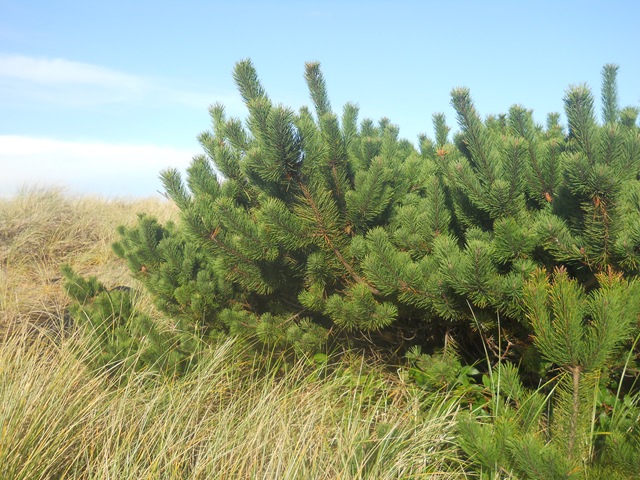
 The most common evergreen conifers in our neighborhood are the Sitka Spruce, Hemlock and Doug Firs. We have a sprinkling of Fir and Cedar as well. The Pine Tree Varieties – shore pine, lodgepole pine, and Sierra lodgepole pine are either closer to the ocean – or at higher elevations. ( Other common names are black, scrub, coast, or tamarack pine.)
On a walk at the ocean last week, Nate and I happened on a shore pine that had fallen down a cliff and had to be cut to clear the path. We were able to view the branches up close. One thing we have not discovered, is why some of the lower branches have grey limbs with grey cones. The upper branches have the most colorfully dense branches, needles and cones. We took a few of the grey and brown cones home – they opened up – and each had about the same amount of seed.
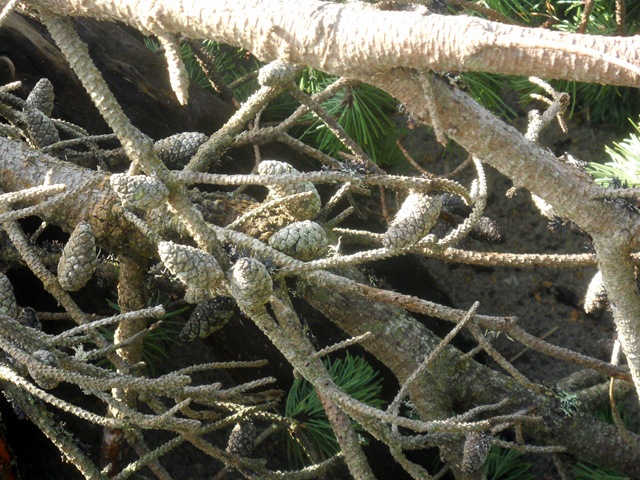
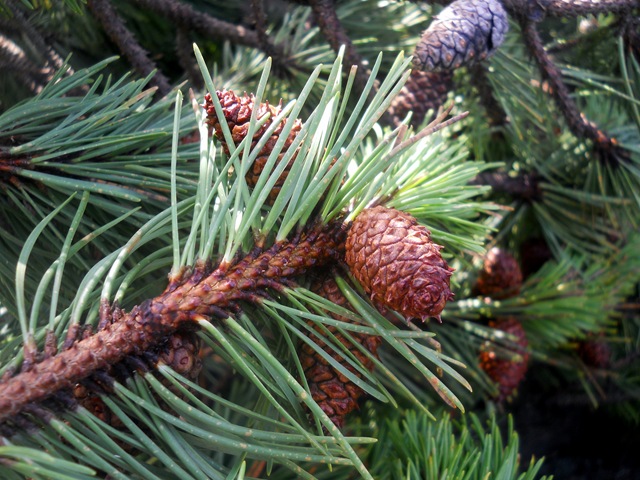
The Shore Pine Forests around here are pretty amazing. We know of Two areas in specific.
Shore pines are thought to grow only 50 feet in height. Someone should have told that to this crew. 🙂 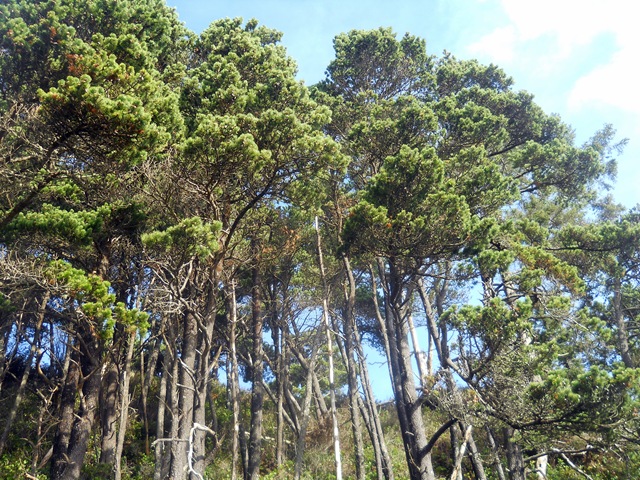
Today we set out to view our Before and After November Nature Walk – and I challenged the boys to find a Pine Tree on our walk. I was taken back that EVERY conifer they happened upon – they labeled pine. Spring Lake seemed to be a Hemlock Forest Park – I just love the sweet soft spray of this evergreen. I also happen to love the fruit of fungi that grows at the base of the tree – Chanterelle. 🙂
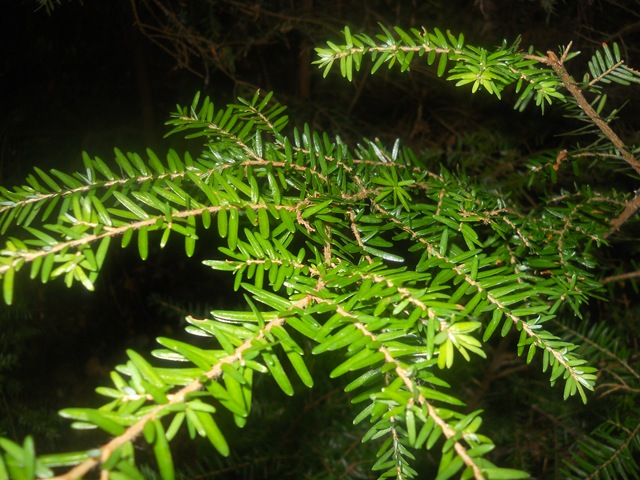
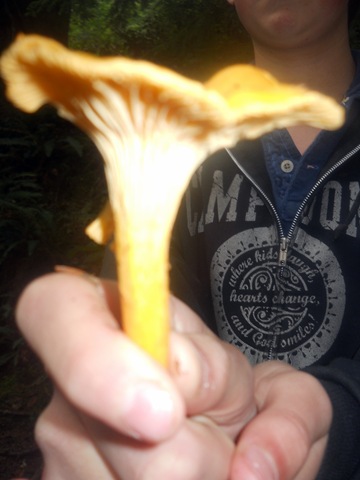
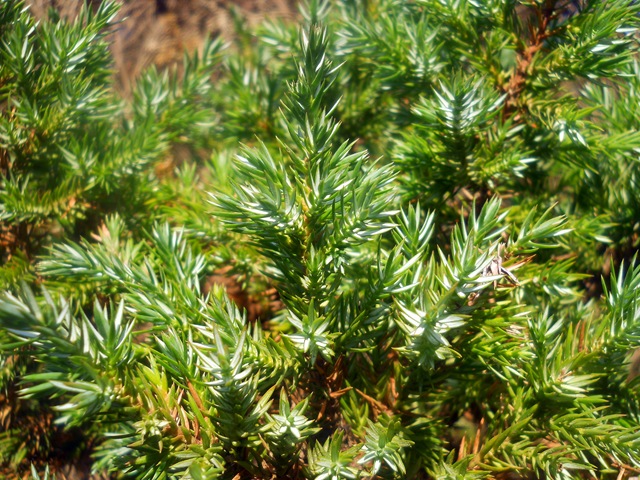
I think the third photo on top is a cedar variety. We didn’t find one pine on our November Walk – so we went to a place by the sand that we had looked for frogs in – a Shore Pine Forest. Once the boys saw the differences – needle length, growth of the branches, shape of the cone, color of the needles, bark of the tree – it was quite obvious to them. I think I’ll verbally talk about the different evergreens more in our walks.
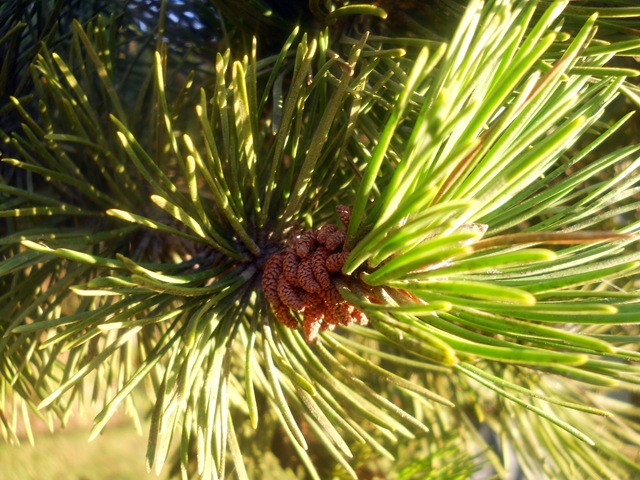
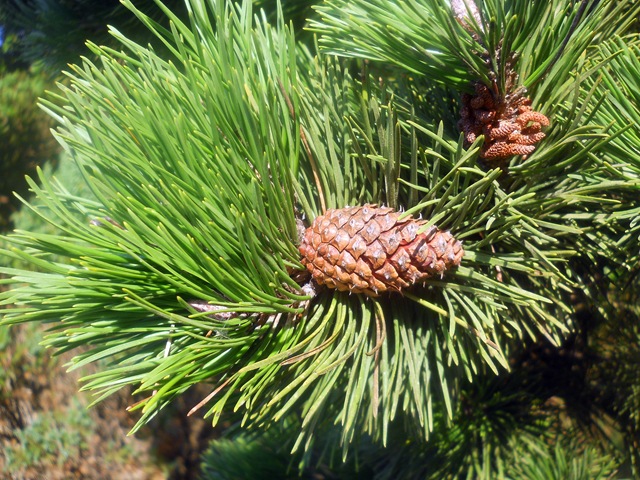
We are done with all of our Thanksgiving Baking – so tomorrow while the bird is in the oven we’ll have the quiet time needed to draw in our journals. I’d like to sketch the cones and the needle packets. The boys climbed the tree for me and cut down a branch to take home. 🙂
Are you studying Pine Trees this fall? Join us over at the Handbook Of Nature Study and see what the other families found. We might make some of Amanda’s Pine Creatures to decorate our table with. :) http://handbookofnaturestudy.blogspot.com/2010/11/autumn-2010-ohc-9-pine-cone-study.html


 +Angie Wright









 Pebblekeeper
Thanks Barb! I’ll go search it out – and take the advice to have the info on my mind when the boys “see” the difference and start asking the questions. 🙂
Okay, so if you want to know some of the reasons for your differences on the same tree….look up gymnosperms or male vs female cones. This is exactly what we are studying as part of our pine study this time around and it is amazing (you can wait for my post for a video I found too). You may just want to keep the info to yourself and let the whole pine pollen story unfold naturally for your boys like it has with mine. It is a whole reproduction system right within one tree…perfectly designed. We were able to discuss it this year with clarity only after we studied this subject in our high school biology.
Thanks so much for your faithful participation in the Autumn Series and for linking up each week. I always love seeing your links when I click over to the blog. 🙂