
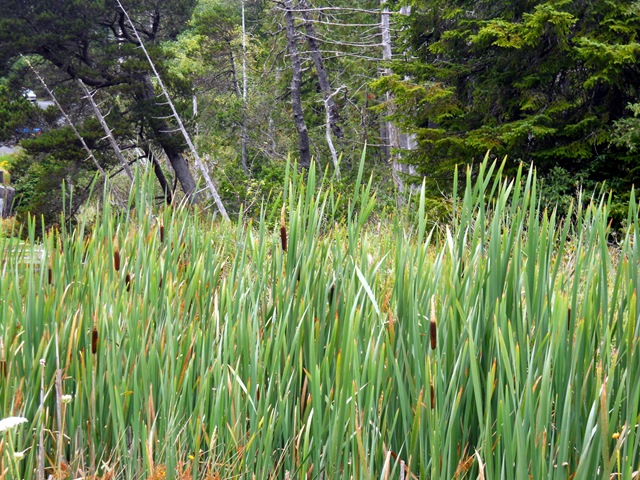
The Cattail is a part of our year long plant study –
we were first introduced to the Cattail in the Spring – April 30th
<<Click to see the Difference>>
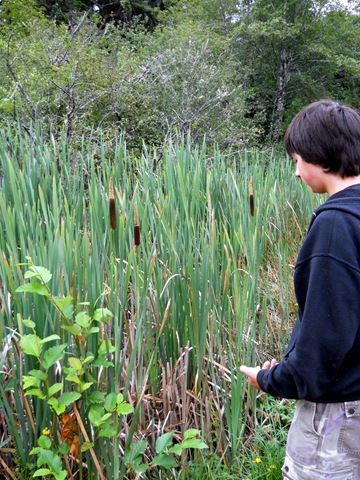
The growth of the plants is astounding. We measured Nate today and he is 5’ 8 1/2”.
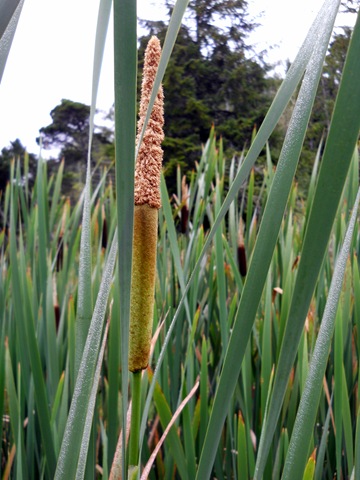
We found the tips of these very interesting. We wondered if the colors would change, if the harder “hot dog” looking part would grow to the end, would the fuzzy feather part turn into the hard part? A little investigating at the plants in other stages of development provided our answer.
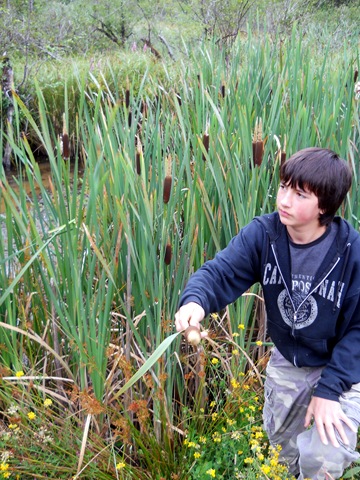
Here we saw that the flowers were gone.
We remember seeing tips at the end last year.

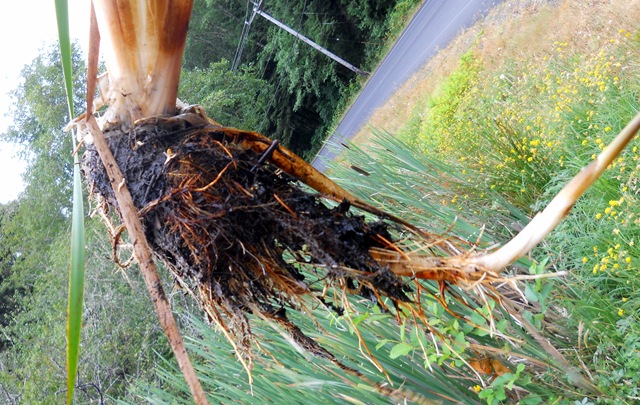
The root system was quite a bit larger this summer –
with a “baby” growing out the side there.
We had questions about the tops of the Cattails. I came home and read the Handbook of Nature Study of Anna Botsford Comstock – Pages 500-503. I learned that the top of the cattail is the staminate flower and the “hot dog” part is the pistillate. The boys and I looked this up – and found that that pistillate is having pistils but no stamens and vice versa. The Pistil is the female part and the Stamen is the male part. We are thankful that we can use the the book and the internet to answer our questions – even though I could have looked at page 456 in the HNS to find the answers. 🙂
I was GIDDY with excitement to read this:
They have no sepals or petals, and are so imbedded in the thick plush that the search is hardly worth while for nature-study, unless a microscope is used. Pg 501, Handbook of Nature Study
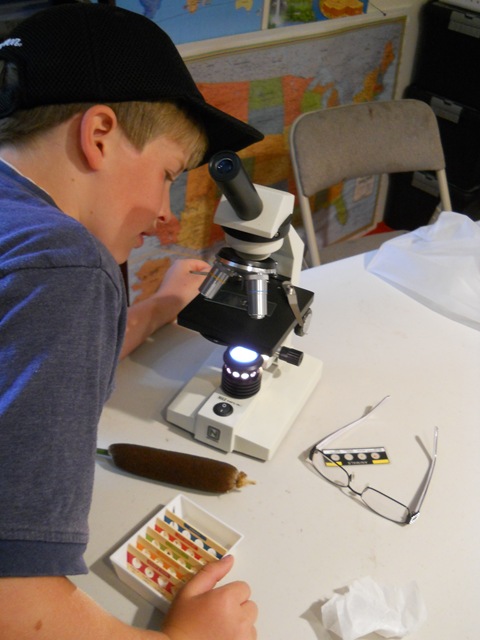
Oh the Joy! We have a Microscope now! Um. Except. We didn’t know that it came with several dozen pre-loaded slides – so we took quite a side tour of looking at tiny bits of creatures/plants/insects/textiles – and then back to the pistillate and staminate parts:
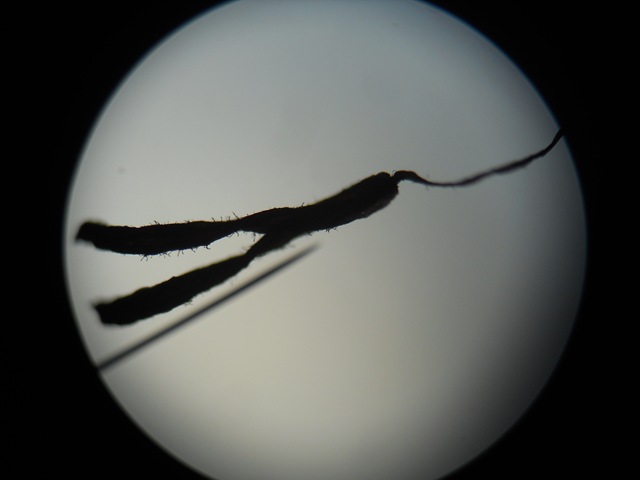
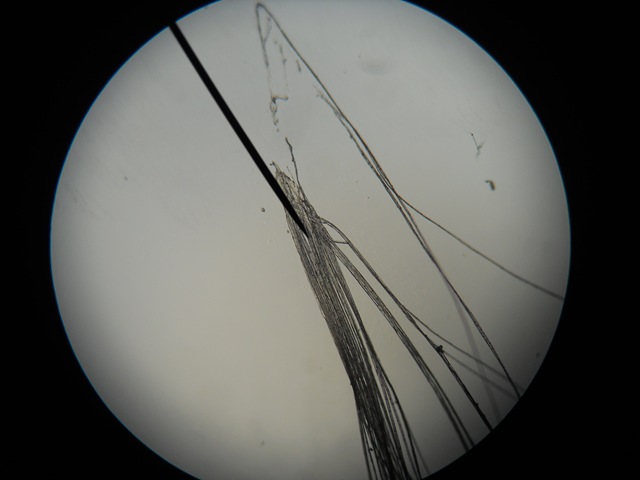
Left is the Staminate, Left is the Pistillate microscopic view of the Cattail.
Bunny trails that we took this morning – taking photos and talking about the queen anne’s lace – talking about the quality of the water – Seeing the photo of “Avi” our avocado tree from April to present. By the way – for those of you not on my Beach Schooling Site – This study was done on the way home from the beach this morning. <<Beach Walk Photos with Nate>>
If you would like to be inspired – to take the challenge – to spend time this year outside – I urge you to visit the Handbook of Nature Site. Drive by these cattails, sometimes, several times a day. We had them in our front yard for 2 years. I never took the time to look – observe – question – learn. By all means, you do not need to go as crazy as we do with follow through – all three of us just like to spend the day seeking out answers to questions. A simple stop by, smell, look, see, hear, feel – and one photo would have been great for the challenge. 🙂 No Microscopes Needed.
 Summer Series – Outdoor Hour Challenge – Summer Cattail #7
If you would like to be inspired – to take the challenge – to spend time this year outside – I urge you to visit the Handbook of Nature Site. We drive by these cattails, sometimes, several times a day. We had them in our front yard for 2 years. I never took the time to look – observe – question – learn. By all means, you do not need to go as crazy as we do with follow through – all three of us just like to spend the day seeking out answers to questions. A simple stop by, smell, look, see, hear, feel – and one photo would have been great for the challenge. 🙂 No Microscopes Needed. Visit the Cattail page in the link above to see other families adventures.


 +Angie Wright









 Pebblekeeper
Pingback: Science – Outdoor Hour Challenge Blog Carnival: Hot August Edition | Christian Home School Program
Wow, cool study! Now I am glad we have not dissected our cattail yet, we will have to pull out the microscope for sure lol. Thanks for sharing our your fun. 🙂
What a great study! Wonderful pictures. We can’t find any cattails close by. Must keep a watch out – maybe we drive by some…
Grab a copy of “Stalking the Wild Asparagus” as it offers some info about eating Cattails. On second thought it may not be in that one…
You can eat the the croms/tubers/roots. Also, in the spring before they become hard and start to flower etc. you can boil and eat them. I also think you can eat the stalk too. My great grandmother harvested wild foods and I remember eating these with salt,pepper and slathered in butter Oh…and she always had us out in the marsh getting the new babies as they were tender.
I’ve also read where the ‘fuzzy feathery part’ can be used to stuff pillows, mattresses, etc. Perhaps you could harvest all the fuzzies and make a cool pillow. Nice way to compare yesteryear comforts to todays hypoallergenic space age materials! 😉
Honey
Thanks Honey! I did read in the spring how the roots will almost cure just about anything, and taste good too. 🙂 We are looking forward to better torches, the spring ones didn’t go too well from last year’s finds, and pulling them apart for fire starter bags by the fire place.
Fire starters?! Do tell!!!
Honey
How awesome that you were able to use that new microscope! I bet you were giddy!
You know it! I have no idea how we made it to the 7th grade without one!!!
I am inspired. 🙂
I have been feeling sort of out of the mood for doing summer challenges since I have been working on writing the autumn challenges. But, we did so much research on the front end of the summer challenges that now it seems sort of redundant to go out and do them again.
I appreciate your faithful posts and I am inspired to get out and catch up this week…we have moths, crickets (just need to post), frogs (just need to post), and night blooming plants to complete.
Thanks for sharing your link.